Core Stability Exercises for Seniors: Strengthen Your Body and Ease Back Pain
As we get older, staying active becomes more important than ever. One key area to focus on is your core - the muscles around your abdomen, lower back, and pelvis. These muscles support your spine and help you move with ease. Strengthening your core can reduce back pain, improve balance, and make everyday activities easier. Today, I want to share some simple and effective core stability exercises that are perfect for anyone over 50 looking to feel stronger and more confident in their body.
Why Core Stability Exercises Matter
Your core is like the foundation of a house. If it’s strong and stable, everything built on top works better. When your core muscles are weak, you might notice aches in your lower back or feel unsteady when walking or standing. This can make daily tasks harder and increase the risk of falls.
Core stability exercises help by:
Supporting your spine and reducing strain on your back
Improving posture and balance
Enhancing your ability to move safely and comfortably
Boosting overall strength and endurance
The good news is, you don’t need fancy equipment or a gym membership to get started. Many core exercises can be done at home, using just your body weight.
Simple Core Stability Exercises You Can Try Today
Let’s look at some easy exercises that target your core muscles. Remember, start slowly and listen to your body. If you feel any pain, stop and consult a healthcare professional.
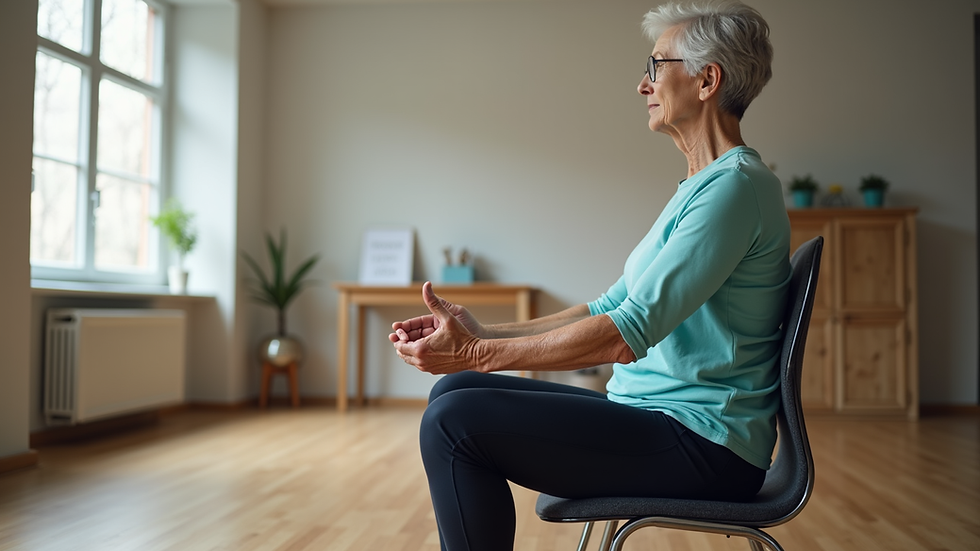
1. Seated Marching
This exercise is gentle and great for beginners.
Sit tall on a sturdy chair with your feet flat on the floor.
Engage your abdominal muscles by pulling your belly button towards your spine.
Lift your right knee towards your chest, then lower it back down.
Repeat with your left knee.
Do 10-15 marches on each side.
This helps activate your core while improving hip mobility.
2. Pelvic Tilts
Pelvic tilts strengthen your lower abdominal muscles and ease lower back tension.
Lie on your back with knees bent and feet flat on the floor.
Gently flatten your lower back against the floor by tightening your tummy muscles.
Hold for 5 seconds, then relax.
Repeat 10-15 times.
3. Bird Dog (from hands and knees)
This exercise improves balance and core control.
Start on your hands and knees, keeping your back flat.
Extend your right arm forward and your left leg back, keeping your hips level.
Hold for 5 seconds, then return to the starting position.
Repeat on the other side.
Do 8-10 repetitions each side.
4. Standing Side Bends
This helps strengthen your oblique muscles on the sides of your torso.
Stand with feet hip-width apart.
Place your hands on your hips or behind your head.
Slowly bend to the right side, feeling a stretch along your left side.
Return to centre and repeat on the left.
Do 10 bends on each side.
5. Wall Push-Ups
Wall push-ups engage your core while strengthening your upper body.
Stand facing a wall, arms extended and hands flat against it.
Keep your body straight and engage your core.
Bend your elbows to bring your chest closer to the wall.
Push back to the starting position.
Repeat 10-15 times.
These exercises are a great starting point. As you get stronger, you can increase repetitions or try more challenging moves.
What are the big 3 core stabilization exercises?
You might have heard about the "big 3" core exercises that are often recommended for back pain relief and core strength. These are:
The Plank
Lie face down, then lift your body onto your forearms and toes.
Keep your body in a straight line from head to heels.
Hold for 10-30 seconds, gradually increasing as you get stronger.
The Side Plank
Lie on one side, supporting your body on one forearm and the side of your foot.
Keep your body straight and hold for 10-30 seconds.
Repeat on the other side.
The Bird Dog (already described above)
This exercise improves balance and core control.
These exercises target deep core muscles that support your spine. If you’re new to exercise or have back pain, it’s best to start with modified versions and build up slowly.

Tips for Safe and Effective Core Training
When working on your core, safety is key. Here are some tips to keep in mind:
Warm up first: Spend 5-10 minutes doing gentle movements like walking or arm circles to get your muscles ready.
Focus on form: Quality beats quantity. It’s better to do fewer reps correctly than many with poor form.
Breathe steadily: Don’t hold your breath. Breathe out as you contract your muscles and breathe in as you relax.
Start slow: Build your strength gradually to avoid injury.
Use support if needed: Chairs, walls, or cushions can help you maintain balance.
Listen to your body: If something hurts, stop and rest.
Consistency is more important than intensity. Doing a little every day or several times a week will bring the best results.
How Core Stability Exercises Can Transform Your Well-Being
Incorporating core stability exercises into your routine can make a real difference. You might notice:
Less back pain and stiffness
Improved posture and confidence when standing or walking
Better balance, reducing the risk of falls
Easier movement during daily tasks like bending, lifting, or reaching
A stronger, more resilient body that supports your lifestyle
If you want to explore more tailored exercises, consider working with a specialist who understands the needs of people over 50. They can guide you safely and help you progress at your own pace.
For those interested, I recommend checking out core stability exercises for seniors to find routines designed specifically for your needs.
Taking the First Step Towards a Stronger Core
Starting core stability exercises doesn’t have to be overwhelming. Pick a few exercises from this post and try them out this week. Remember, every small step counts. Celebrate your progress, no matter how slow it feels.
If you’re dealing with back pain, strengthening your core can be a game-changer. It’s about regaining control over your body and enjoying movement again. You deserve to feel strong, steady, and pain-free.
Why not set a reminder to do your core exercises three times this week? You might be surprised how quickly you notice the benefits.
I hope this guide inspires you to take care of your core and your well-being. Remember, you’re not alone on this journey. With patience and practice, you can build a strong foundation for a healthier, happier life.


Comments